Biometric Authentication Systems Reshaping Mobile Casino Access for UK Users
Uma Flores · Sep 11, 2026
Biometric Authentication Systems Reshaping Mobile Casino Access for UK Users
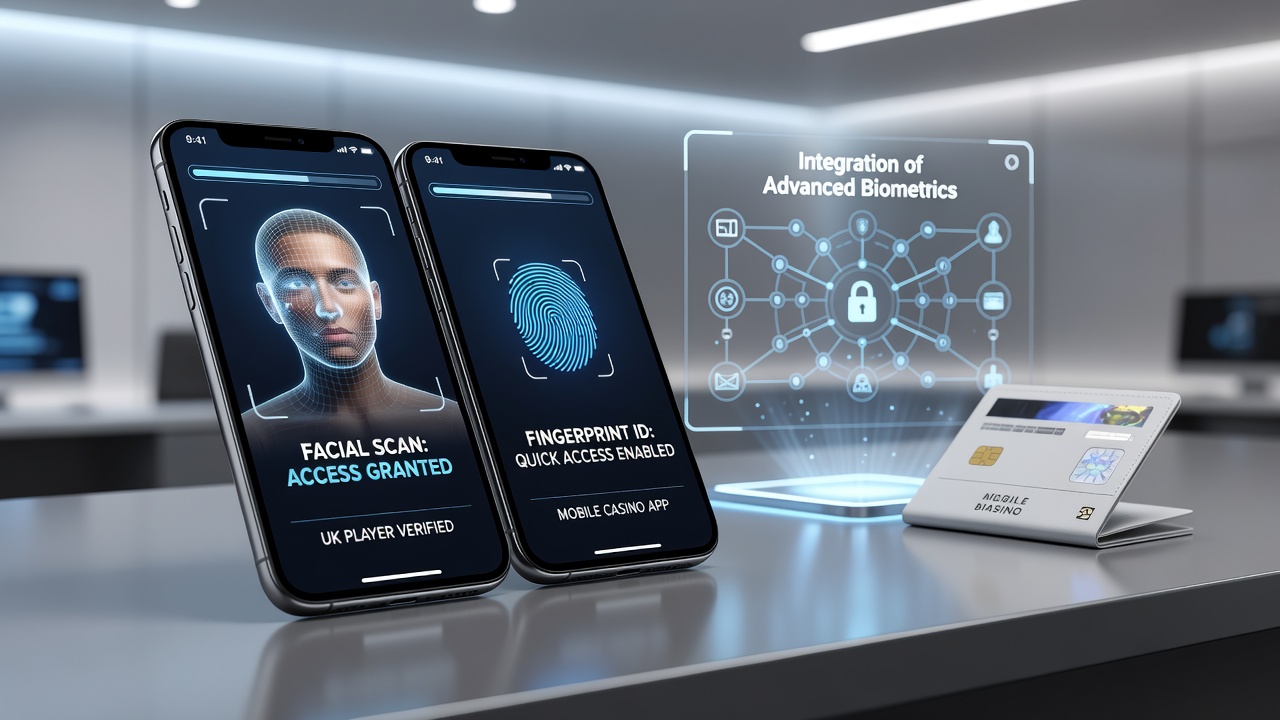
Advanced biometric technologies now integrate into mobile casino applications serving UK players who prioritize rapid entry and secure transactions. These systems rely on fingerprint scanning, facial recognition, and voice analysis to replace traditional password methods, and data from industry reports indicate rising adoption rates across European markets during 2025 and into September 2026.
Core Biometric Methods in Mobile Applications
Fingerprint sensors appear in most modern smartphones, and developers embed them directly into casino apps so users complete authentication in under two seconds. Facial recognition software processes multiple facial landmarks through infrared cameras while voice biometrics analyze unique vocal patterns during brief spoken phrases. Each method operates independently yet combines in layered setups that reduce unauthorized entry risks, according to technical specifications from device manufacturers and software providers.
UK players encounter these options during initial app setup where they register biometric data once, after which subsequent logins require only a quick scan or glance at the device. Research from academic institutions shows error rates for fingerprint matching hover below 0.1 percent in controlled tests, whereas facial systems improve accuracy when combined with liveness detection that distinguishes real faces from photographs or videos.
Security Enhancements and Regulatory Context
Data protection standards in the European Union influence how developers handle biometric information stored locally on devices rather than centralized servers. This approach limits exposure during potential breaches, and companies align implementations with guidelines from bodies such as the European Data Protection Board. Observers note that September 2026 brought further emphasis on consent mechanisms requiring explicit user approval before biometric data collection begins.
Studies conducted by university research teams reveal that multi-factor biometric setups cut account takeover incidents by significant margins compared with password-only systems. One analysis of mobile financial and entertainment platforms found a 40 percent drop in fraudulent access attempts after facial and fingerprint layers were introduced together.
Speed and User Flow Improvements
Traditional login sequences involving usernames and complex passwords often extend beyond 30 seconds, yet biometric alternatives compress the process to a single touch or facial scan. Casino apps designed for UK audiences incorporate these features into deposit and withdrawal flows as well, allowing verification steps to complete without manual entry of card details or additional codes.
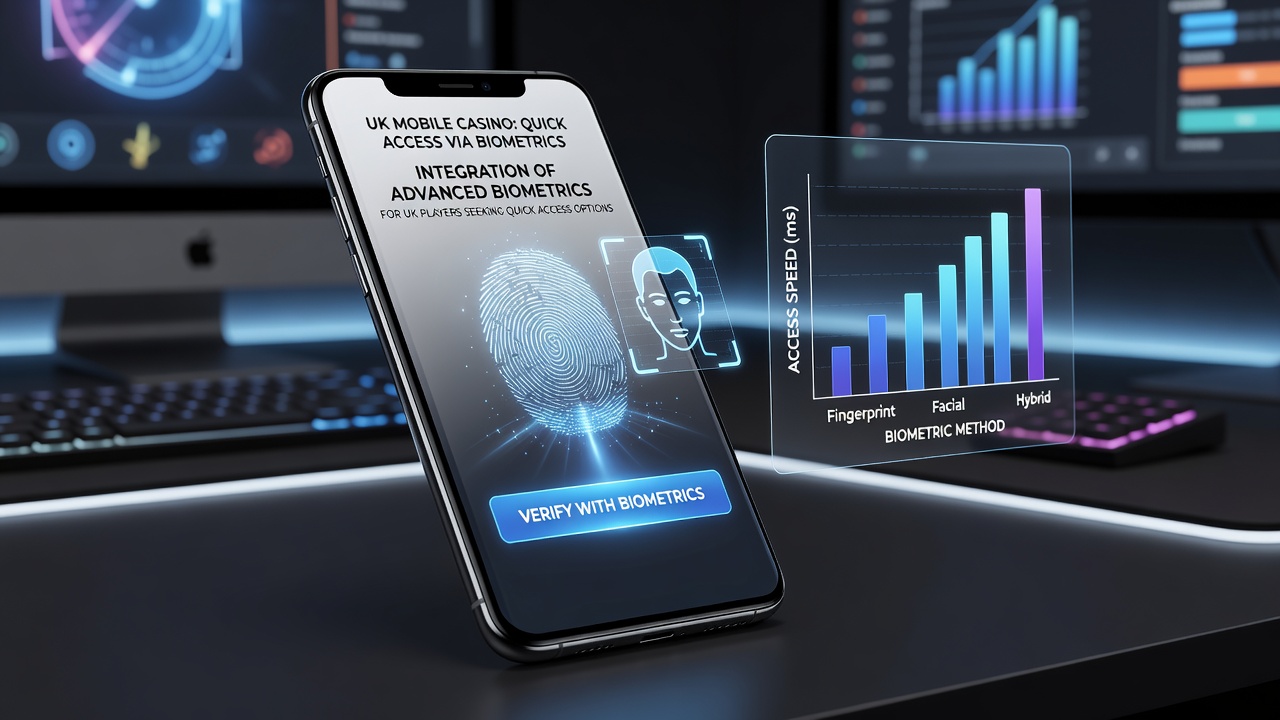
App analytics shared by development firms indicate that session start times decrease by an average of 65 percent once biometric authentication activates. Players complete registration, fund accounts, and begin gameplay within minutes because the system cross-references stored biometric templates against live inputs without external server delays.
Implementation Examples Across Platforms
Several major software providers have rolled out biometric modules in their UK-focused mobile offerings since late 2024. One case documented by industry analysts involved an app that added voice authentication for high-value transactions, resulting in faster processing while maintaining compliance with data minimization principles. Another deployment combined fingerprint access with device-specific encryption keys to secure session tokens during live dealer sessions.
Figures from market research organizations demonstrate steady growth in biometric-enabled downloads, with UK user numbers climbing through the first three quarters of 2026. These trends align with broader shifts toward passwordless environments across digital services, adn developers continue refining algorithms to handle variations in lighting, skin conditions, and background noise.
Future Developments and Technical Considerations
Engineers explore integration of additional modalities such as palm vein scanning and behavioral biometrics that track typing rhythms or device handling patterns. These advancements build on existing frameworks and address edge cases where single-method authentication encounters interference. Regulatory updates scheduled for later periods may introduce standardized testing protocols for biometric accuracy across different population groups.
Technical documentation from hardware suppliers confirms that newer smartphone models include dedicated secure enclaves that isolate biometric data from the main operating system. This hardware-level separation adds another barrier against extraction attempts while supporting rapid matching operations required for seamless casino app experiences.
Conclusion
Integration of advanced biometrics continues to evolve within mobile casino applications used by UK players. Systems based on fingerprint, facial, and voice recognition deliver quicker access while supporting security requirements set by European data frameworks. Reports from research entities and regulatory sources track ongoing refinements through September 2026 and beyond, with adoption patterns reflecting both technological capability and user preference for streamlined interactions.