Evolving Digital Payment Methods Among British Enthusiasts at International Gaming Venues
Uma Flores · Oct 9, 2026
Evolving Digital Payment Methods Among British Enthusiasts at International Gaming Venues
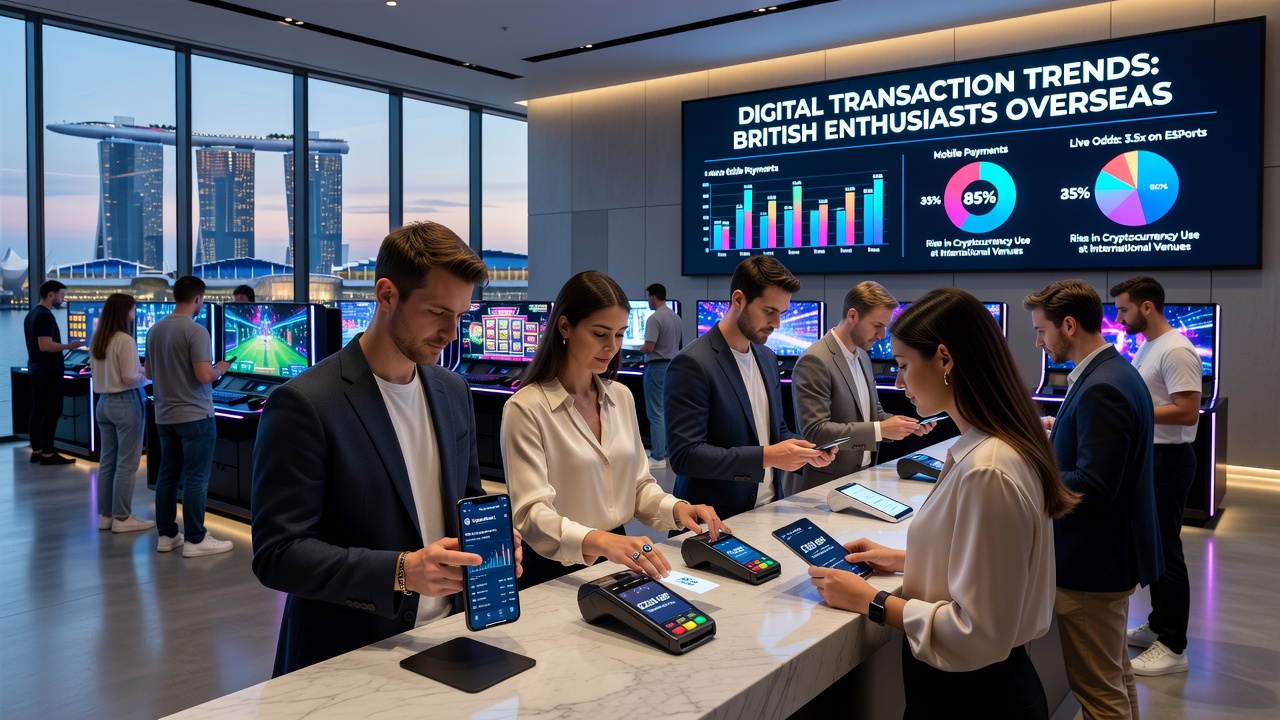
Digital transactions at overseas gaming venues have shown steady shifts as British enthusiasts adopt various electronic methods to fund accounts adn receive winnings, with patterns emerging around speed, security features, and currency handling that researchers track through industry reports released in October 2026. These changes reflect broader movements toward integrated financial tools that align with mobile usage habits, while data indicates growing reliance on specific wallet services and blockchain options that bypass traditional banking delays. Observers note how participation levels remain consistent even as platforms introduce layered verification processes that connect directly to payment flows.
Adoption of E-Wallets and Mobile Banking Integration
Many British users have moved toward e-wallet services that support instant transfers across borders, and figures from recent analyses reveal that transaction volumes through these channels rose notably during 2025 into 2026. Platforms often combine these options with direct mobile banking links, which allow users to manage deposits without leaving the gaming interface, and this setup reduces friction during live sessions. Studies conducted by independent research groups found that participants who rely on these tools complete funding steps in under two minutes on average, compared with longer waits associated with card-based alternatives.
Security protocols tied to these wallets include biometric authentication layers that platforms now require more frequently, and experts from financial oversight bodies highlight how such features help maintain compliance across jurisdictions. British enthusiasts often select wallets that handle multiple currencies without conversion fees, which proves useful when engaging with venues based in regions using euros or other denominations. Data released in October 2026 showed continued preference for these integrated systems over standalone card entries.
Cryptocurrency Usage Patterns
Cryptocurrency transactions have gained traction among a subset of British players seeking faster settlement times, and reports indicate that bitcoin and ethereum transfers now account for a measurable portion of activity at select international sites. These methods allow direct peer-to-peer movement that avoids intermediary banks, while smart contract features on some platforms automate bonus releases tied to deposit amounts. Researchers tracking these trends note that volatility concerns prompt many users to convert holdings quickly upon receipt, which keeps overall participation stable despite price fluctuations.
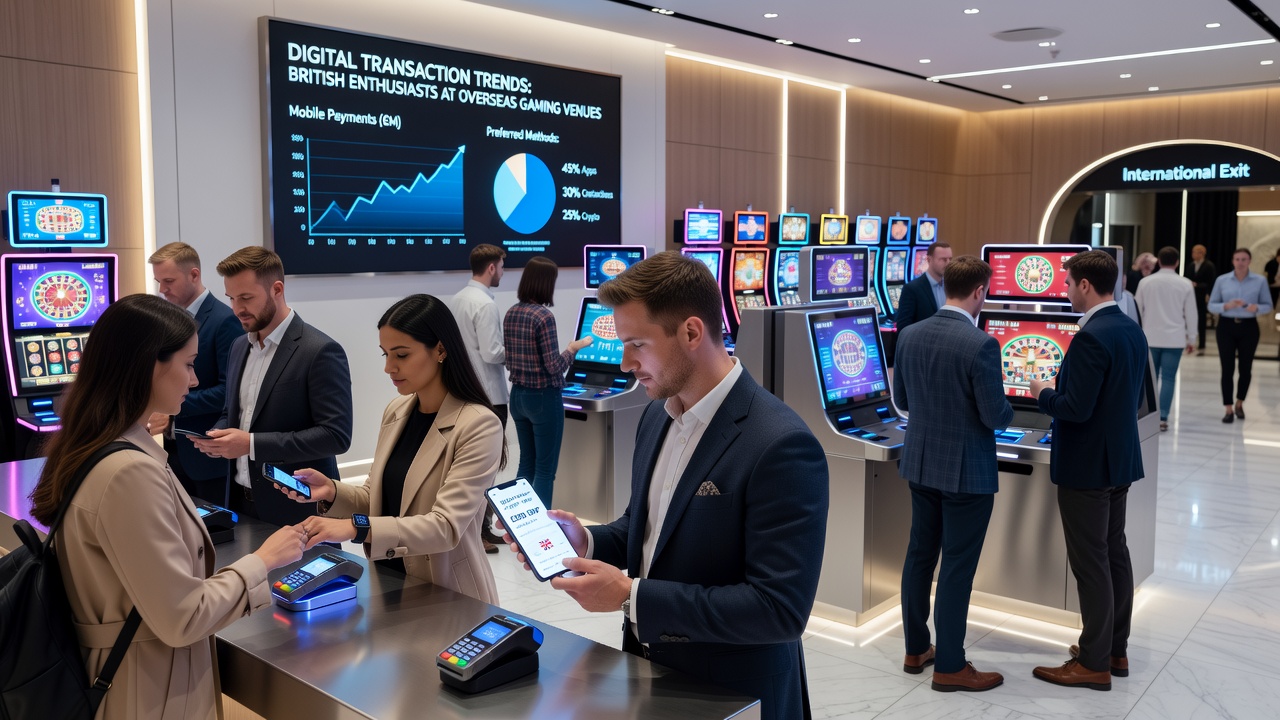
One case highlighted by analysts involved platforms that introduced stablecoin support in early 2026, leading to smoother cashout experiences for users who previously encountered delays with traditional crypto options. According to findings shared by the Australian Gambling Research Centre, adoption rates among international players including those from the UK showed measurable increases in regions where local banking rules restrict certain card transactions. This shift connects to broader fintech developments that make digital assets more accessible through regulated exchanges.
Regulatory Influences on Transaction Flows
Changes in international financial regulations have prompted platforms to update their payment processing standards, and British users encounter new documentation requirements when moving larger sums through overseas channels. These updates aim to align with anti-money laundering directives from various governing bodies, while still supporting seamless user experiences during routine play. Figures compiled by economic monitoring agencies suggest that venues investing in automated compliance tools see higher repeat transaction rates from UK-based enthusiasts who value both speed and transparency.
Cross-border tax reporting mechanisms have also evolved, with some sites now embedding real-time alerts about potential obligations that arise from winnings. Those who study these systems observe that players often migrate toward venues offering detailed transaction histories downloadable in standard formats, which aids personal record-keeping without additional software. Data from October 2026 underscored how such features correlate with sustained engagement levels across different demographic groups.
Security Enhancements and User Preferences
Encryption standards and two-factor verification have become standard across most international gaming payment systems used by British participants, and industry organizations report that these measures contribute to lower reported incidents of unauthorized access. Users frequently cite preference for methods that combine payment and identity checks into single steps, which streamlines the overall process while maintaining audit trails. Research from academic institutions points to increased comfort levels when platforms partner with established financial technology providers known for robust fraud detection.
Yet patterns show that a portion of enthusiasts continue to experiment with newer decentralized finance tools that offer additional privacy layers, though adoption remains gradual due to learning curves involved. Observers tracking October 2026 statistics found that education resources provided directly on platforms help bridge this gap, leading to wider acceptance of hybrid options that blend traditional and emerging technologies.
Conclusion
Overall transaction trends among British enthusiasts at overseas venues point toward greater integration of mobile-first tools, diversified currency options, and enhanced compliance features that support ongoing participation. Reports compiled through late 2026 continue to document these developments, with data from sources such as the OECD financial markets analysis providing context on global payment evolutions affecting gaming sectors. These shifts create environments where users can manage funds efficiently while platforms adapt to regulatory landscapes across multiple regions.